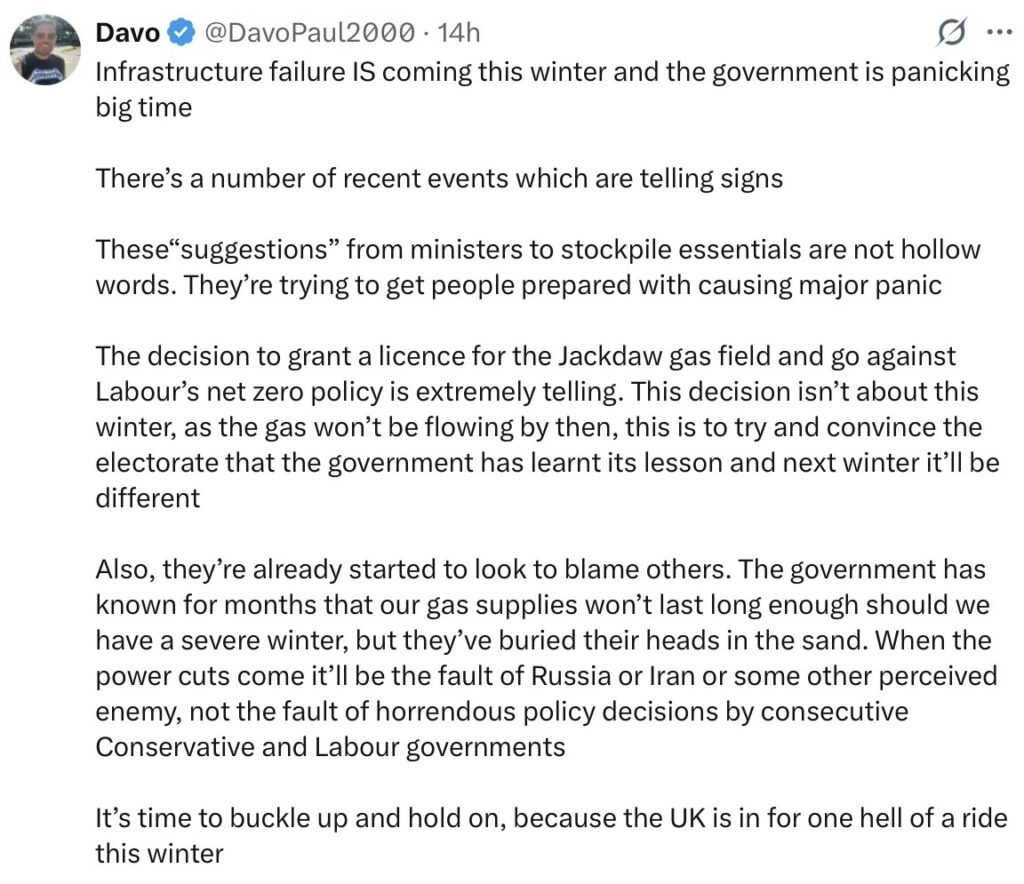
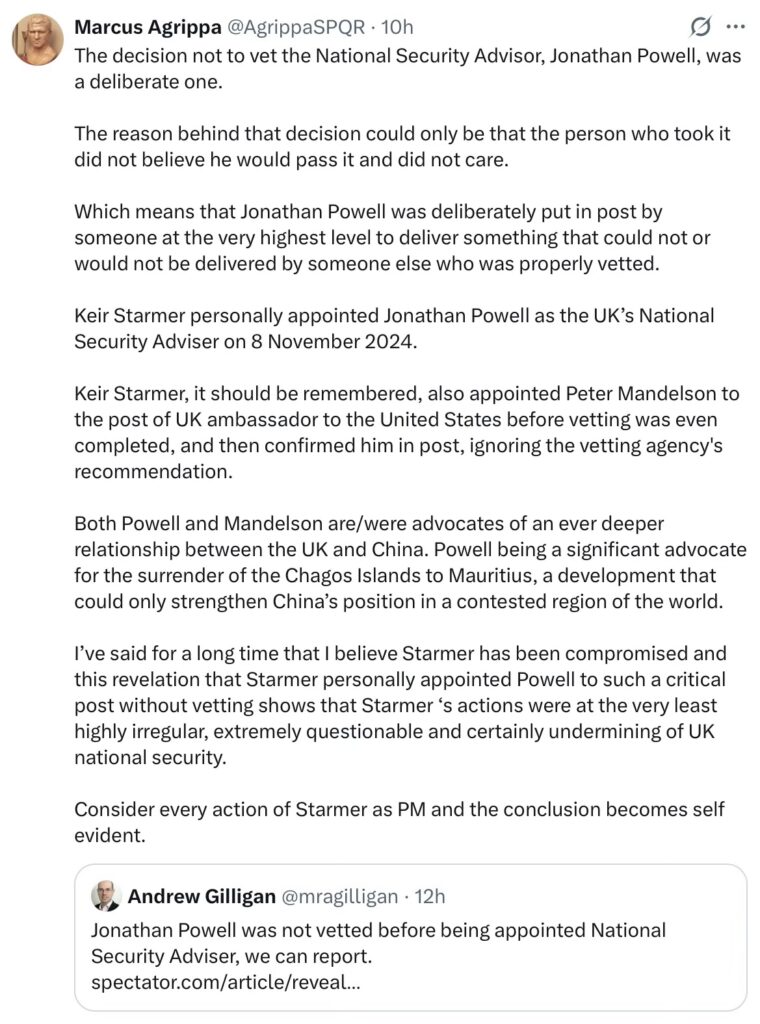
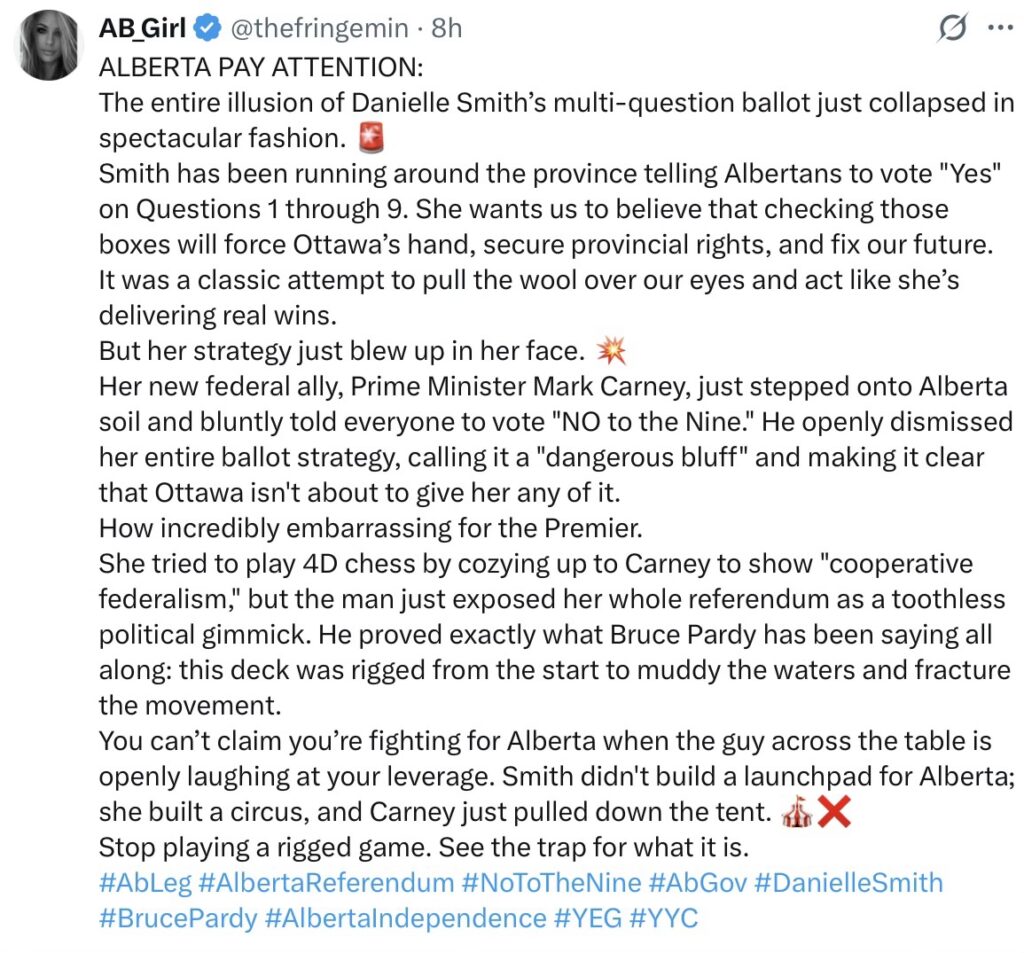
… think of the consequences for soc-med.
What I had in reserve was a general look at education and recruitment … it will be the second item below. While a general look, its consequences are massive and I’m thinking it’s already specifically started for us, privately.
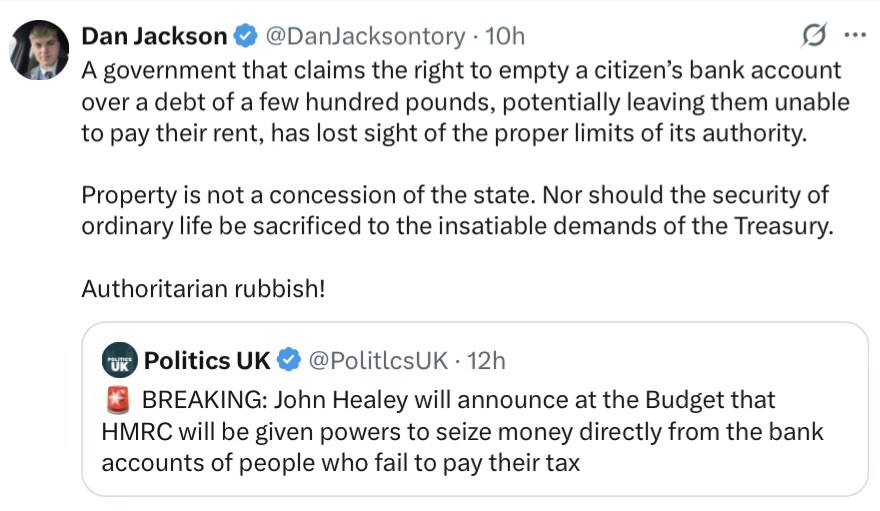
The first item is the latest, up at Roobee’s place, concerning yesterday’s legislation:
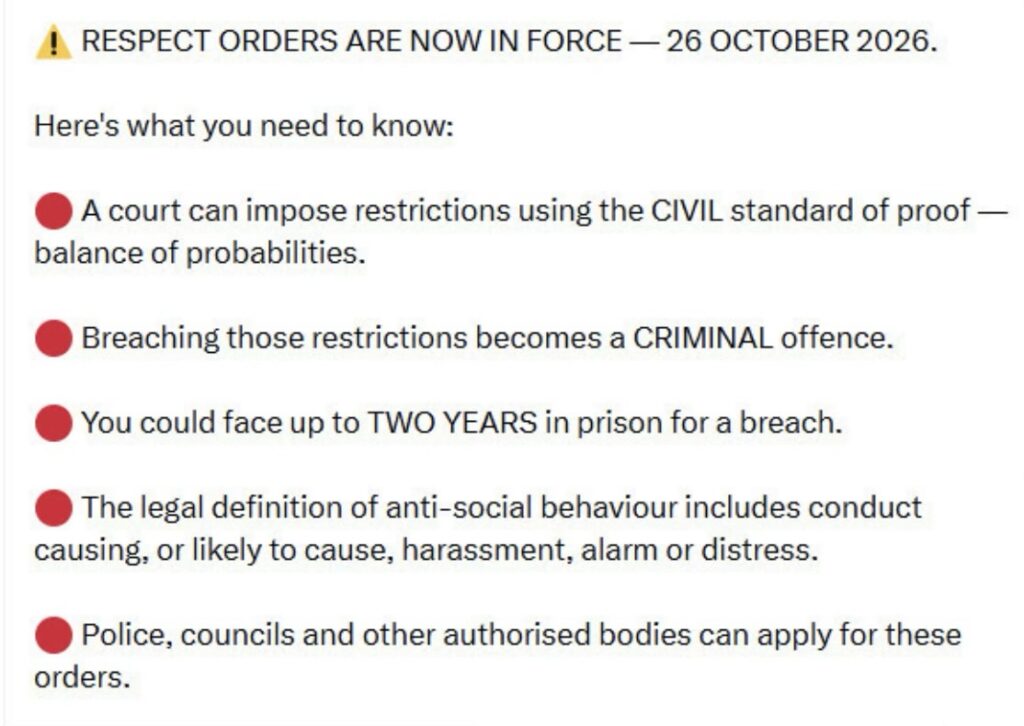
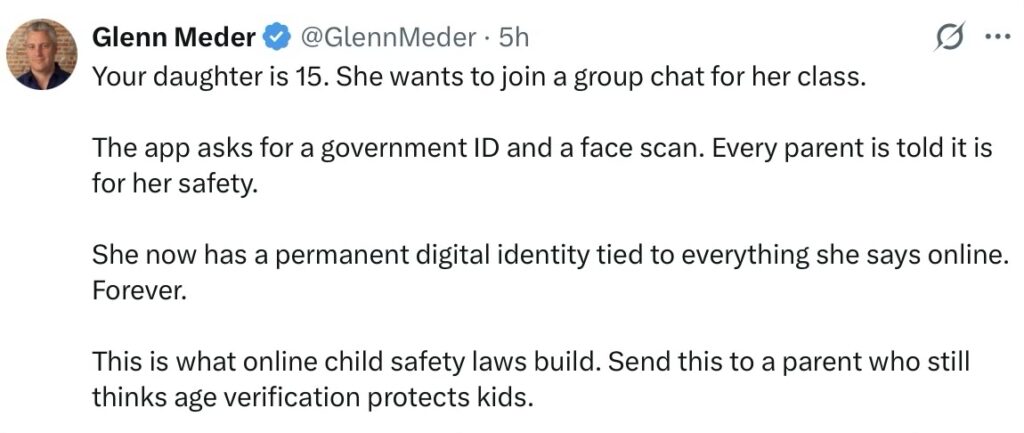
If I ask “respect for whom” and “in what form”, then go straight to this item below, you’ll start to see the drift:
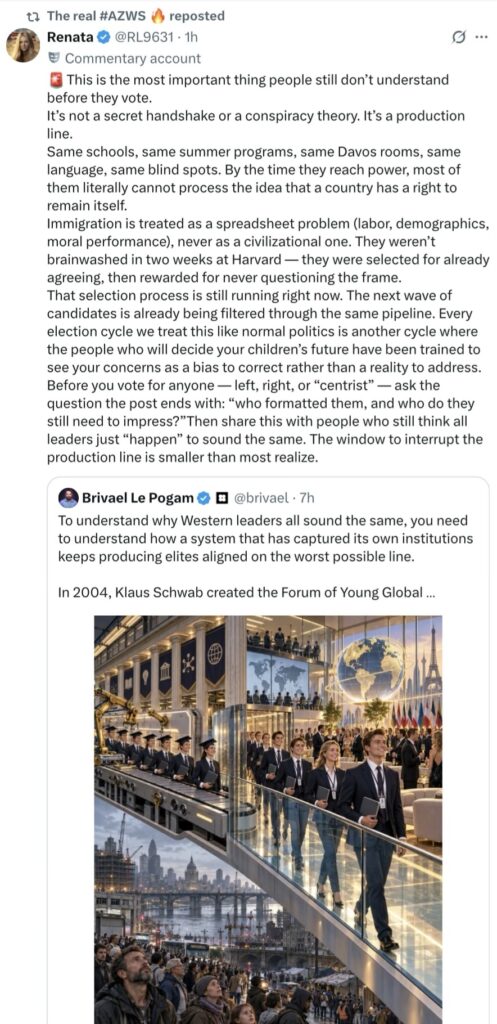
There’s a third part to this post and without going into too much detail, plus commenters at Unherdables have given their views, yesterday a major supermart cancelled my food order.
Just think of the consequences of that, were it not just me it affects. I’ll see today or tomorrow how serious my personal situation is. What of yours?
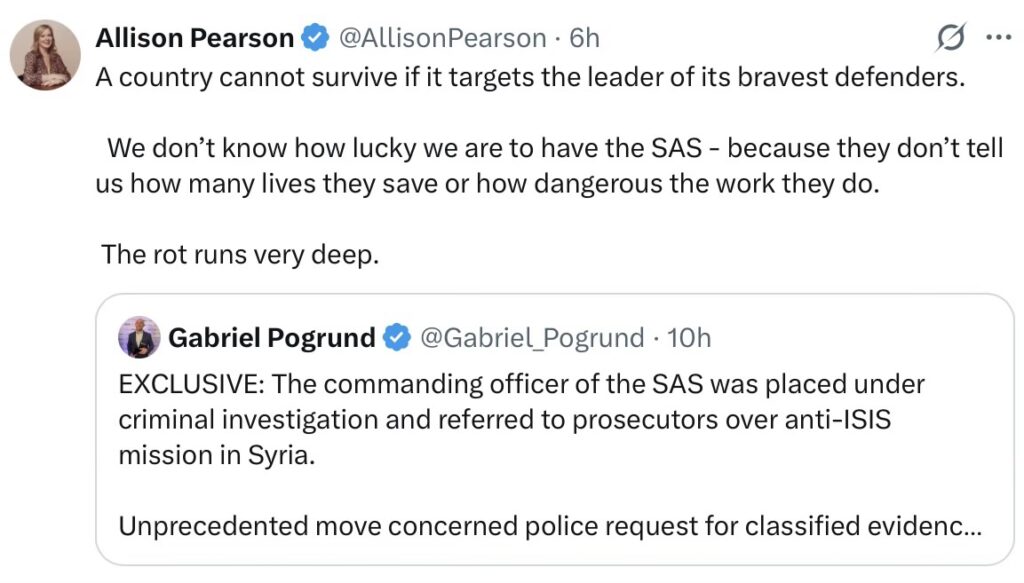
Just going to throw in a fourth screenshot from across the pond, to further reflect on the matter and its consequences:
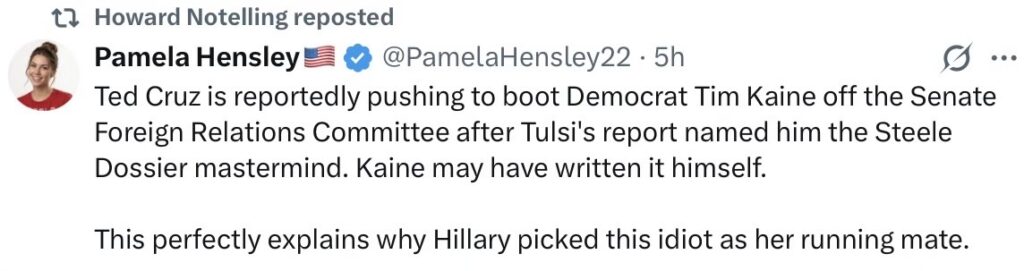
Pamela is in the US, so is free of Burnham’s draconian laws but we are subject to them here, as of yesterday. If you knowingly read this, think of the possibilities of the crime you just unwittingly committed.
In my time in Russia, a situation existed where you were permanently in a state of two or more laws clashing. Therefore, if you said A and law B banned that, then obviously you’d only openly say B. Most did not publicly express any opinion whatever.
Ah, but what if A in turn banned B? Then either way, you have erred. In day to day living, it is of little consequence but should any official wish to make an issue of it, you are at his/her mercy. Now look back above again at Renata’s tweet, at the type of person now in charge of you in some way, shape or form.
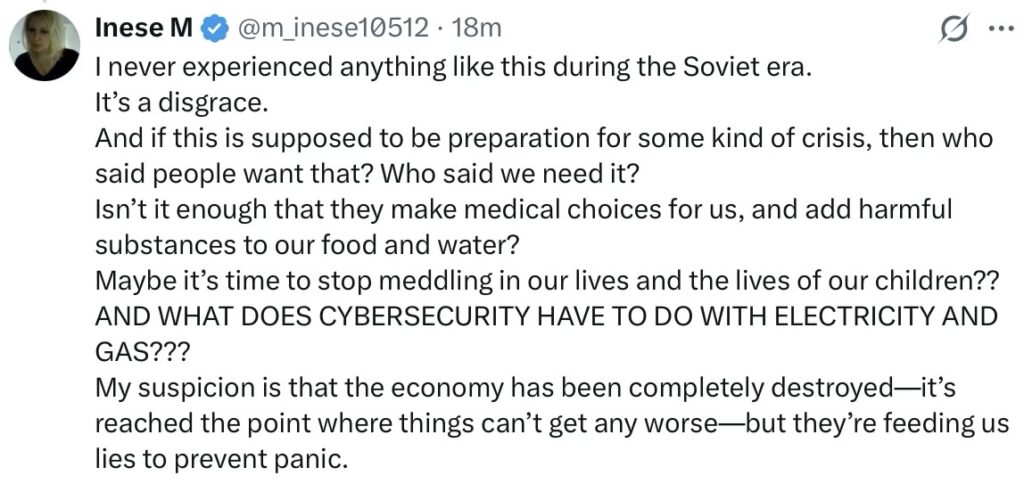
One lady observing it all is a former Soviet citizen and she is in deep shock:
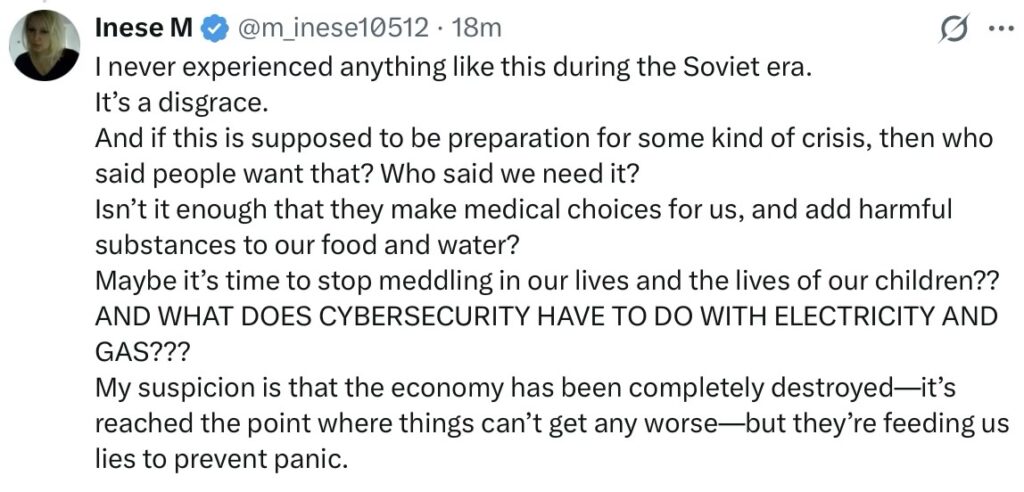
Someone like Inese, also someone such as me, understand only full well the consequences for each and every westerner in Britain from hereon in, plus maybe for Americans if the Demons take the House. The antipodes have already gone under … they’re starting to realise it only now.
Have a good Tuesday, good reader.